
Millimeter Wave Therapy: How Cutting-Edge Technology Safeguards Health
- winni
- January 01, 2026
- 169
- 0
- 0
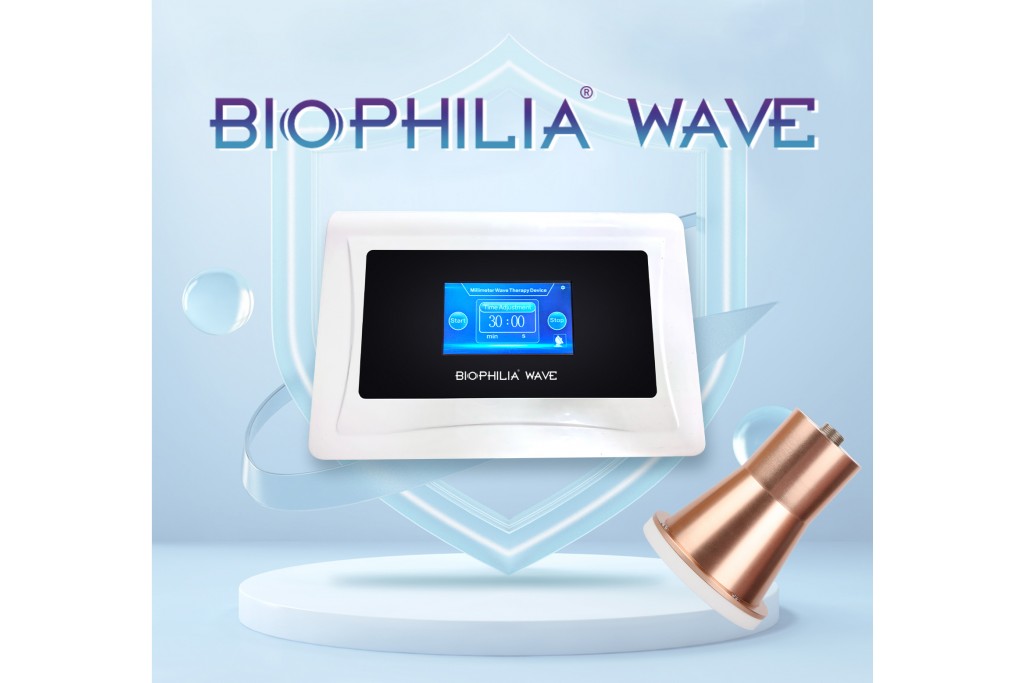
In today's rapidly advancing technological landscape, a non-invasive physical therapy technique known as "millimeter wave therapy" is gradually moving from specialized medical research into the public eye. Blending modern electromagnetic biology with traditional meridian theory, it offers a fresh perspective for managing various chronic illnesses and stubborn pain. Today, let’s delve deeper into this health technology that sounds like something from the future.
1. What Are Millimeter Waves?
Millimeter waves refer to electromagnetic waves with wavelengths between 1 and 10 millimeters, corresponding to a frequency range of 30 GHz to 300 GHz. They belong to non-ionizing radiation, have low energy, do not break chemical bonds, and penetrate only shallowly (primarily affecting the epidermis and dermis of the skin), making them considered a safe physical agent.
2. Core Principle: Beyond Just "Thermal Effects"
Unlike traditional physiotherapy devices (such as infrared or shortwave) that rely mainly on "thermal effects," the core of millimeter wave therapy lies in its "non-thermal biological effects":
Electromagnetic Resonance: Human cells and biomacromolecules (e.g., membrane proteins, DNA) have their own inherent vibrational frequencies. When millimeter waves of specific frequencies act on the human body, they may induce "resonance," thereby regulating cellular function and restoring it from a disordered state to normal.
Remote Effect: One of the most remarkable aspects is that applying millimeter waves to specific areas on the body's surface (e.g., acupuncture points) can produce effects that transmit along meridians, nerves, or body fluid pathways, influencing deep-seated or distant lesions. This aligns remarkably well with the meridian theory of traditional Chinese medicine.
Cumulative Effect: The therapeutic effects of millimeter waves are time-cumulative; typically, the effectiveness becomes more pronounced and stable with an increasing number of treatment sessions.
3. What Potential Has Scientific Research Revealed?
Based on the multiple academic documents provided, millimeter wave therapy shows promising clinical application prospects in several areas:
Pain Management: A review published in Anesthesia & Analgesia notes that multiple clinical trials (including randomized controlled trials) indicate millimeter waves (frequency 30-70 GHz, power density <10 mW/cm²) can effectively relieve headaches, arthritis, neuropathic pain, and postoperative pain, with a rapid onset of action. The analgesic mechanism may be related to activating the endogenous opioid system.
Diabetic Complications: A randomized controlled study on Diabetic Sensorimotor Polyneuropathy (DSP) showed that after two weeks of millimeter wave treatment (61.2 GHz), patients' improvement in the "Toronto Clinical Neuropathy Score (TCNS)" was significantly better than that of the sham treatment group, offering a new non-pharmacological option for managing diabetic neuropathy.
Adjuvant Cancer Treatment and Immunomodulation: Research suggests millimeter wave therapy can:
Alleviate cancer pain, reducing dependence on analgesics.
Modulate immune function: Protect against chemotherapy-induced suppression of T-cell, NK cell, and macrophage function, helping to restore the immune system's fighting capacity.
Potentially inhibit tumor metastasis: Animal studies show millimeter waves may inhibit lung metastasis of melanoma, possibly by enhancing NK cell activity.
Reduce side effects of radiotherapy and chemotherapy: Improve patients' bone marrow hematopoietic function and enhance tolerance to radiotherapy.
Promoting Tissue Repair: Clinical reports indicate that millimeter waves can promote wound healing, ulcer repair (e.g., diabetic foot ulcers), and have anti-inflammatory and anti-edema effects.
4. How to Use a Home Millimeter Wave Therapy Device?
Commercially available home millimeter wave therapy devices (like the models mentioned in the documents) are typically user-friendly. Key usage points include:
Irradiation Site: Selected based on the condition. For example:
Diabetes: Often irradiate the body surface projection area of the pancreas, Diji (SP8) acupoint, the three Yin meridians of the foot, Shenshu (BL23) acupoint, etc.
Pain: Directly irradiate the pain point or related acupoints (e.g., joints for arthritis, Dazhui (GV14) for cervical spondylosis).
Health Maintenance: Can irradiate strengthening acupoints like Zusanli (ST36), Hegu (LI4), and Neiguan (PC6).
Treatment Time: Typically 20-60 minutes per session, 1-2 times daily. Early morning (5-7 AM) or before bedtime (9-11 PM) are considered optimal times.
Important Notes:
It is recommended to drink 200-300 ml of warm water before treatment.
The irradiation head should be placed close to the skin (or through a single layer of cotton clothing), usually at a distance of less than 10 mm.
If taking medication during treatment, do not reduce or stop the dosage without authorization; adjust only under a doctor's guidance.
Contraindications: Individuals with eye diseases, those with pacemakers, pregnant women, people with bleeding tendencies, and those with metal implants in the body should avoid use or avoid the metal area.
5. Important Reminders and a Balanced Perspective
Adjuvant, Not Replacement: Millimeter wave therapy should be viewed as an adjuvant treatment and rehabilitation method, not a complete substitute for conventional mainstream medical treatments like drugs or surgery. Especially for serious conditions like cancer and diabetes, it must be used in combination with standard treatment plans under a doctor's guidance.
Individual Variation: Treatment effectiveness varies from person to person and requires a certain treatment course.
Choose Reputable Products: Always select products that meet medical device standards and have quality assurance, and read the manual carefully.
Ongoing Scientific Research: Although there are many positive research findings, the mechanisms of action, optimal parameters (frequency, duration, etc.) of millimeter wave therapy still require more large-scale, high-quality clinical studies for further validation and standardization.
Conclusion
Millimeter wave therapy, like a bridge connecting modern physics and ancient medical wisdom, opens a new window for managing chronic diseases and promoting health. With its characteristics of being painless, non-invasive, and free of side effects, it offers a gentle yet powerful option for home healthcare and disease rehabilitation. On the journey to health, understanding and scientifically utilizing such cutting-edge technology undoubtedly gives us an extra measure of confidence and protection.